
Research
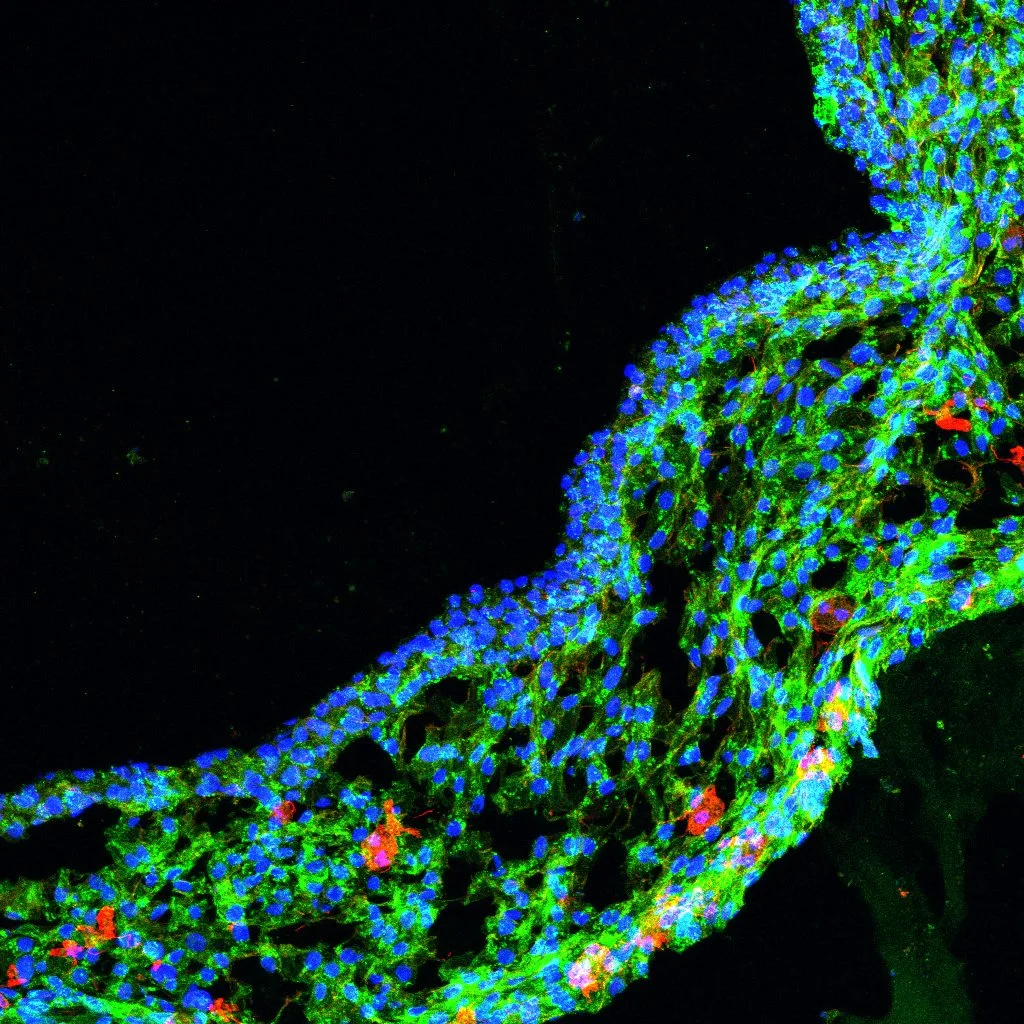
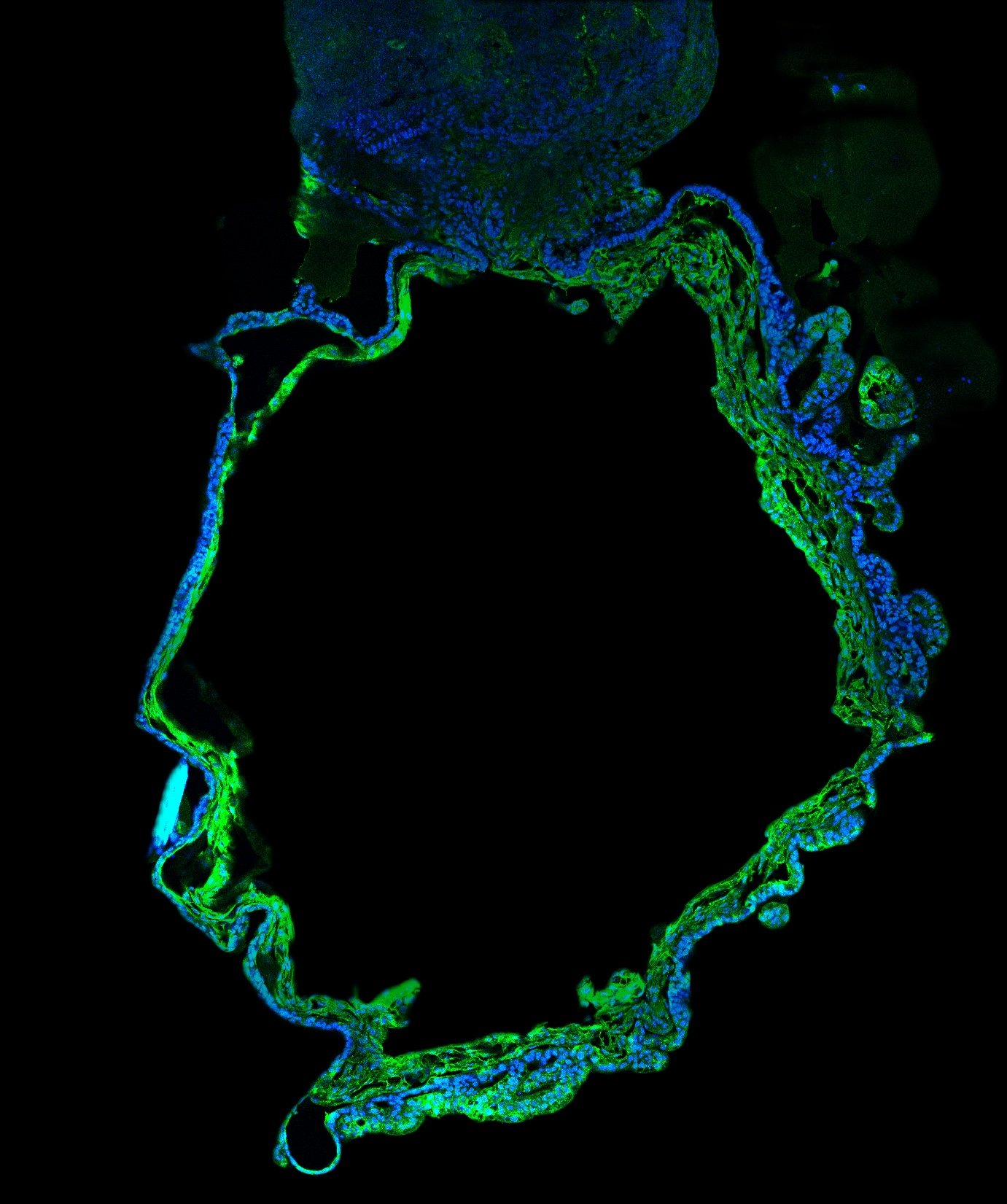
The choroid plexus (ChP) is a specialized tissue that produces the cerebrospinal fluid (CSF) and forms the blood-CSF barrier, acting as a dynamic interface between the brain and periphery. It is now recognized that the ChP acts as a vital regulatory hub whose dysfunction is central to neuroinflammatory and neurodegenerative diseases, such as multiple sclerosis and aging. Alterations in ChP volume and function have been implicated in brain atrophy, disease progression, and cognitive decline, however our understanding of the pathophysiological mechanisms of the ChP in regulating these processes is incomplete. The lab aims to discover how the ChP becomes dysfunctional and how ChP dysfunction promotes neurodegeneration towards the discovery of mechanisms and therapies. Using primary cells, ex vivo cultures, in vivo preclinical models, and human cells and organoids the lab will explore:
Signal-induced epigenetic plasticity of ChP epithelial cells
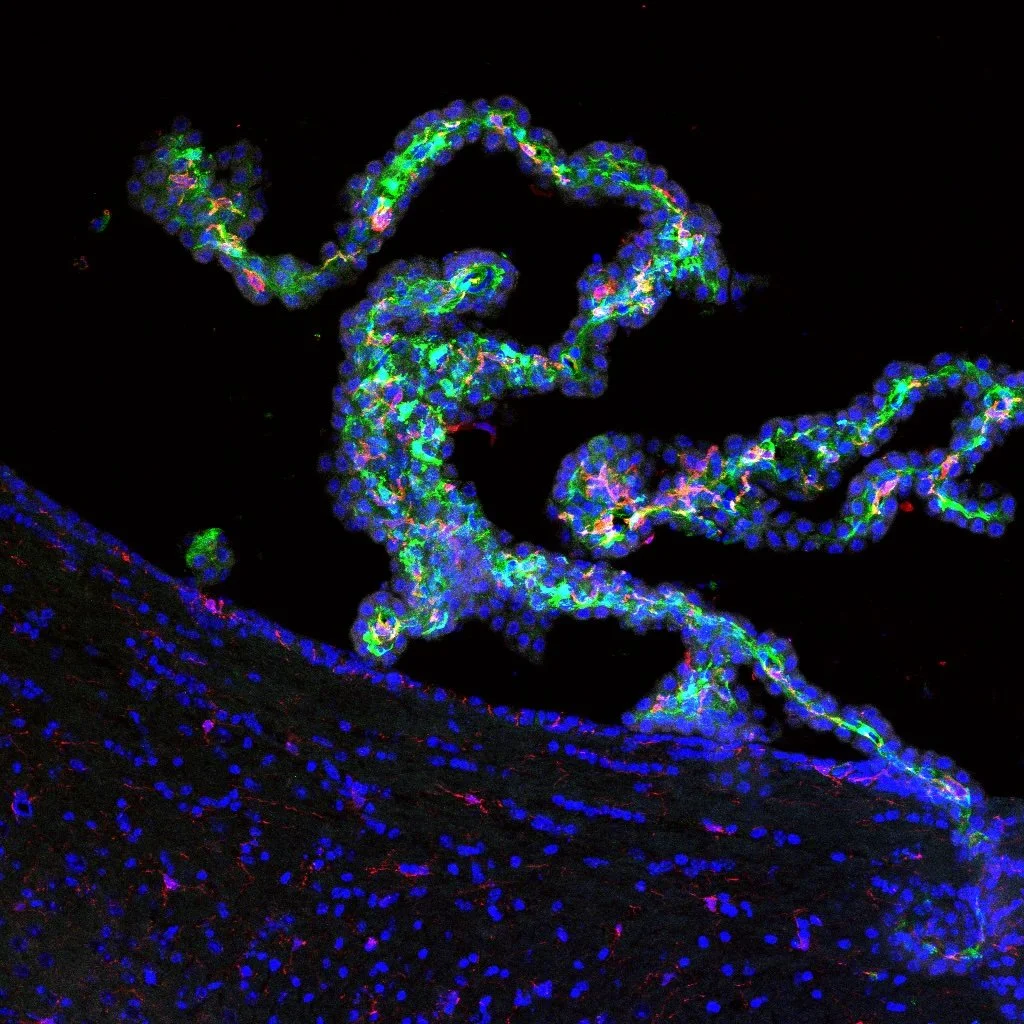
Immunological memory of previous inflammatory exposures facilitates cells to rapidly recall prior environmental encounters via epigenetic changes, allowing for more efficient responses. How do ChP epithelial cells store memories of immune challenges and how does this affect their function? How does this change with acute and chronic neuroinflammation, in disease, and in aging?
Regulation of proteomic and metabolic factors by the ChP
The ChP generates CSF proteins and maintains a high metabolic rate to sustain its homeostatic responsibilities, which rely on the epithelial cells to sense and monitor factors. However, aging and neurodegenerative conditions introduce significant pathological shifts within the CNS and the ChP itself. How do these proteomic and metabolic shifts alter ChP functionality, and by what mechanisms does the ChP detect and integrate these disturbances to preserve brain stability?
The function of the ChP in maintaining the reciprocal relationship between the periphery and CNS
The ChP acts as a bidirectional interface facilitating communication between the brain and body. Here, it maintains a barrier protecting the brain from pathogens and harmful cells, while also allowing select peripheral cells which contribute to brain homeostasis. How does the ChP maintain and regulate this barrier in health, disease, and aging? What regulates ChP barrier dysfunction?